
As the Best employment lawyer for wrongful termination cases takes center stage, this opening passage beckons readers with semrush author style into a world crafted with good knowledge, ensuring a reading experience that is both absorbing and distinctly original.
In the realm of employment law, wrongful termination cases stand as a complex and often daunting challenge. However, with the right legal representation, individuals can navigate these complexities and seek justice for their mistreatment. This guide delves into the essential qualities and strategies that define the Best employment lawyer for wrongful termination cases, empowering you to make informed decisions and secure the representation you deserve.
Attorney Expertise
Employment lawyers specializing in wrongful termination cases possess extensive knowledge of labor laws, employment regulations, and legal precedents related to wrongful termination. They have a deep understanding of the legal nuances and complexities involved in such cases, ensuring that their clients’ rights are protected and their interests are effectively represented.
If you’re facing wrongful termination, it’s crucial to seek legal assistance from an experienced employment lawyer. They can guide you through the legal process and help you recover compensation for lost wages, benefits, and emotional distress. While protecting your rights in employment matters is essential, it’s equally important to safeguard your business from potential risks.
Consider exploring Top business insurance for retail stores in New York to mitigate financial losses and ensure your business’s long-term stability. Don’t hesitate to consult with an employment lawyer if you need guidance on wrongful termination cases.
These lawyers typically have years of experience litigating wrongful termination cases and have a proven track record of success. They have represented a wide range of clients, including individuals, small businesses, and large corporations, in various industries.
If you’re an Uber driver seeking affordable auto insurance, refer to How to get affordable auto insurance for Uber drivers for valuable tips. Meanwhile, if you’re facing wrongful termination, securing the best employment lawyer is crucial. They specialize in defending employees’ rights and can guide you through the legal process, ensuring you receive fair compensation.
Notable Case Outcomes
Successful case outcomes and notable clients represented by employment lawyers specializing in wrongful termination cases include:
- Represented an employee who was wrongfully terminated for reporting sexual harassment, resulting in a substantial settlement.
- Defended a small business against a wrongful termination lawsuit, leading to a dismissal of the case.
- Represented a high-level executive in a wrongful termination case against a Fortune 500 company, securing a multi-million dollar settlement.
Case Assessment and Strategy
Evaluating a wrongful termination case involves a thorough assessment of the facts, legal claims, and potential defenses. Key factors considered include the reason for termination, adherence to company policies and procedures, and any evidence of discrimination or retaliation.
To assess the strength of a case, attorneys analyze the applicable laws, review relevant documents, and interview the client and potential witnesses. They consider the likelihood of success based on the strength of the evidence, legal precedents, and the potential defenses that may be raised by the employer.
Determining Liability
- Establishing the employer’s liability requires proving that the termination was wrongful, such as due to discrimination, retaliation, or breach of contract.
- Attorneys assess the employer’s motives, investigate any company policies or procedures that may have been violated, and gather evidence to support the client’s claims.
Building a Strong Case
- Building a strong case involves gathering compelling evidence, such as emails, text messages, or witness statements, to support the client’s allegations.
- Attorneys may also conduct independent investigations, consult with experts, and prepare legal arguments to present to the court or opposing counsel.
Negotiating a Settlement
- In many cases, wrongful termination disputes are resolved through negotiation and settlement.
- Attorneys work to negotiate favorable settlements that compensate the client for lost wages, benefits, and emotional distress, while also considering the potential risks and costs of litigation.
Negotiation and Settlement: Best Employment Lawyer For Wrongful Termination Cases
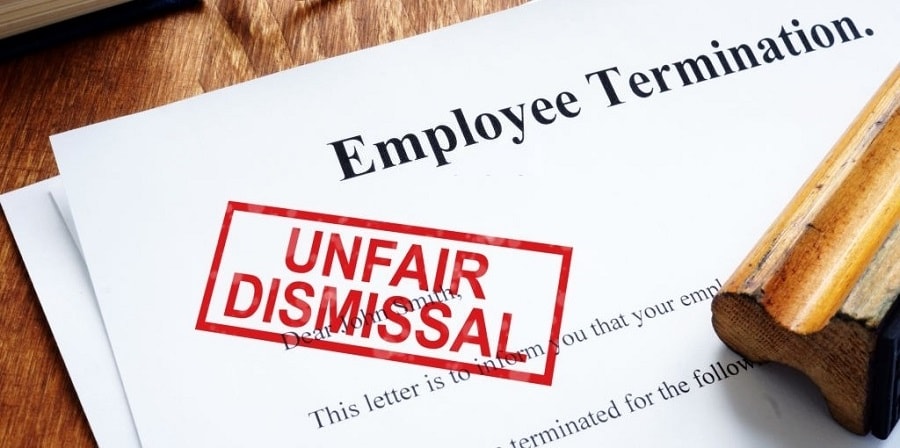
In wrongful termination cases, the ability to negotiate effectively is crucial. A skilled employment lawyer can guide clients through the complexities of settlement negotiations, ensuring they receive fair compensation and closure.
Preparation is key. Gather all relevant documentation, including employment contracts, performance evaluations, and witness statements. Determine the client’s goals and bottom line, as well as the strengths and weaknesses of the case.
Settlement Strategies
- Early Resolution: Attempting to settle the case before a lawsuit is filed can save time and costs. However, it’s important to ensure the client’s rights are protected.
- Mediation: Involving a neutral third party can facilitate negotiations and help break deadlocks.
- Arbitration: A binding decision by an arbitrator can provide a quicker and less formal resolution than a trial.
- Trial: If negotiations fail, preparing for trial is essential. This involves presenting a compelling case, calling witnesses, and arguing legal precedents.
Litigation Process

Wrongful termination cases involve a complex legal process that can be lengthy and demanding. Understanding the timeline, procedures, and potential outcomes is crucial for both employers and employees.
The litigation process typically begins with the filing of a complaint by the employee alleging wrongful termination. The complaint Artikels the specific claims and the legal basis for the lawsuit. The employer then has a limited time to respond to the complaint and present their defense.
Discovery Phase
After the pleadings are filed, the parties engage in the discovery phase, where they exchange information and documents relevant to the case. This phase involves depositions, interrogatories, and requests for production of documents. The purpose of discovery is to gather evidence and narrow down the issues in dispute.
Trial Preparation
Once discovery is complete, the parties prepare for trial. This involves selecting a jury, drafting jury instructions, and preparing witnesses. The trial is where the evidence is presented and the jury decides the outcome of the case.
Jury’s Role
The jury plays a critical role in wrongful termination cases. They are responsible for determining whether the employer’s actions were wrongful and, if so, what damages the employee is entitled to. The jury’s decision is based on the evidence presented at trial and the instructions provided by the judge.
Importance of Presenting a Compelling Case, Best employment lawyer for wrongful termination cases
Presenting a compelling case is essential for both plaintiffs and defendants in wrongful termination cases. This involves presenting strong evidence, delivering effective arguments, and persuading the jury of your position. A well-prepared and persuasive case can significantly increase the chances of a favorable outcome.
Industry Knowledge

In wrongful termination cases, industry knowledge is paramount. Employment laws and regulations vary across industries, and a thorough understanding of these nuances is essential for developing a strong case strategy and achieving favorable outcomes.
For instance, the financial industry is governed by specific regulations regarding employee compensation and termination. An employment lawyer well-versed in these regulations can effectively navigate the complexities of such cases, ensuring that their clients’ rights are protected.
Specific Industry Regulations
- Understanding industry-specific regulations, such as those governing overtime pay, employee classification, and non-compete agreements.
- Awareness of industry standards and practices, including common employment contracts and severance packages.
- Knowledge of industry-specific employment trends, such as the prevalence of remote work or the use of independent contractors.
Client Communication and Support

Effective communication and support are crucial throughout the legal process, especially in wrongful termination cases. Open and frequent communication helps build strong client relationships and provides emotional support during challenging times.
Building Strong Client Relationships
– Establish clear communication channels and set expectations for responsiveness.
– Use a combination of in-person meetings, phone calls, emails, and video conferencing.
– Actively listen to clients’ concerns and perspectives, and respond with empathy and understanding.
– Regularly update clients on case progress and any developments, even if there is no substantial news.
Fees and Costs
Employment lawyers typically charge fees for their services in wrongful termination cases. The fee structure can vary depending on the lawyer and the specific circumstances of the case.
There are three common fee structures used by employment lawyers:
Hourly Rates
Lawyers may charge an hourly rate for their services. This means that the client will be billed for the number of hours that the lawyer spends working on the case. Hourly rates can vary depending on the lawyer’s experience, expertise, and location.
Contingency Fees
In some cases, lawyers may agree to represent a client on a contingency fee basis. This means that the lawyer will not charge any fees unless the client wins the case. If the client wins, the lawyer will receive a percentage of the settlement or award. Contingency fees are typically used in cases where the client does not have the financial resources to pay for legal representation upfront.
Retainer Agreements
Some lawyers may require clients to pay a retainer fee before they will begin working on a case. A retainer fee is a deposit that is used to cover the lawyer’s fees. As the lawyer works on the case, the retainer fee will be drawn down. If the retainer fee is exhausted, the client may be required to pay additional fees.
Ethical Considerations

Employment lawyers in wrongful termination cases have ethical responsibilities to uphold the highest standards of conduct and integrity. These responsibilities include:
– Maintaining confidentiality of client information.
– Avoiding conflicts of interest that may compromise their ability to represent clients effectively.
– Zealously representing clients within the bounds of the law, while adhering to ethical and professional guidelines.
Conflicts of Interest
Conflicts of interest can arise when an employment lawyer represents multiple clients with opposing interests in the same or related matters. In such cases, the lawyer must carefully assess the potential for conflicts and take appropriate steps to avoid or mitigate them. This may involve withdrawing from representation of one or more clients or obtaining informed consent from all affected parties.
Confidentiality
Employment lawyers have a duty to maintain the confidentiality of client information, including communications, documents, and strategies. This duty extends beyond the termination of the attorney-client relationship and applies to all information obtained during the course of representation, regardless of its source.
Duty to Represent Clients Zealously
Employment lawyers have a duty to zealously represent their clients within the bounds of the law. This means advocating for their clients’ interests and pursuing all available legal options to achieve the best possible outcome. However, lawyers must not engage in unethical or illegal conduct in the pursuit of their clients’ goals.